
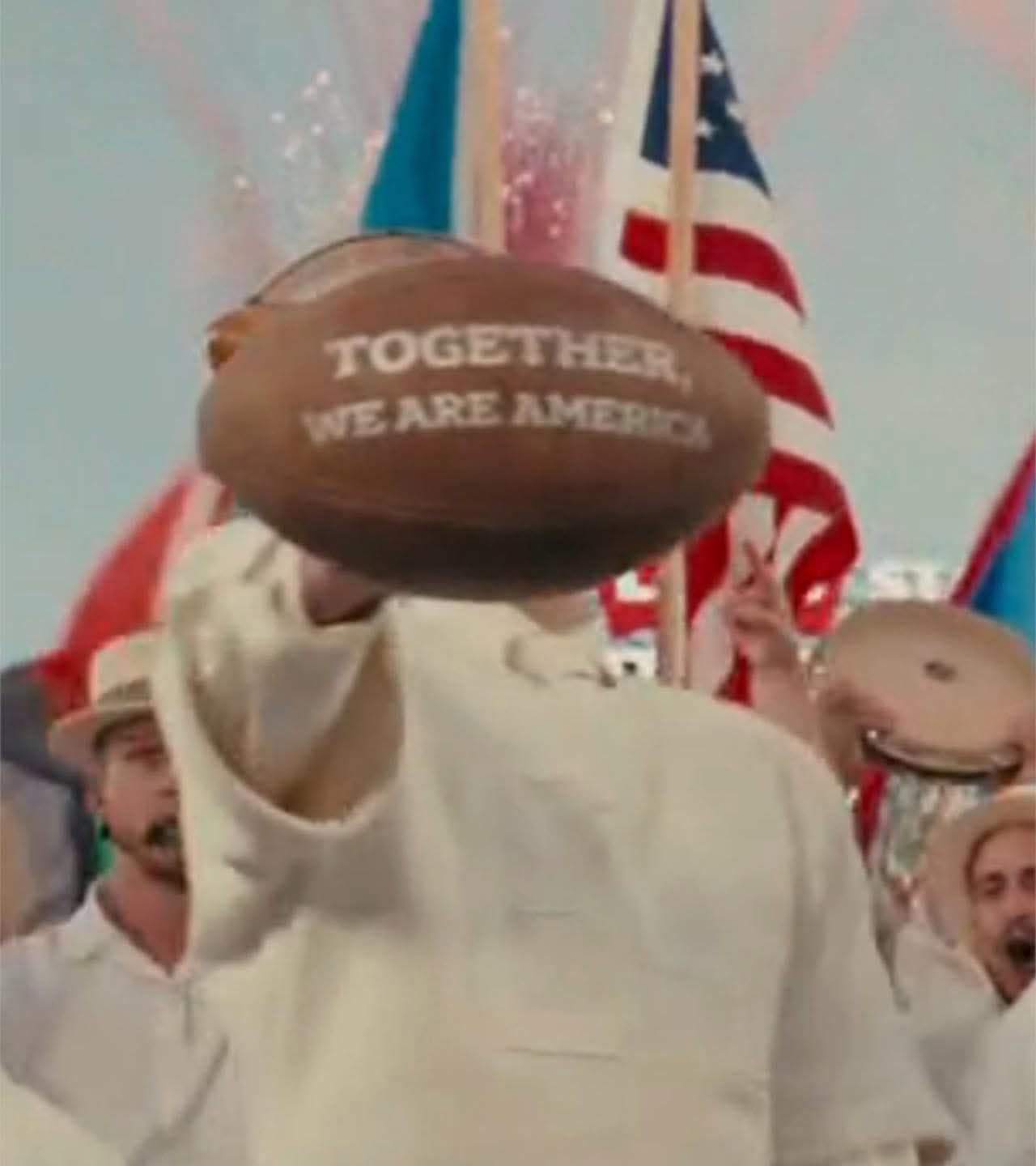
When brand growth meets cultural relevance: The business strategy behind the 2026 halftime show.
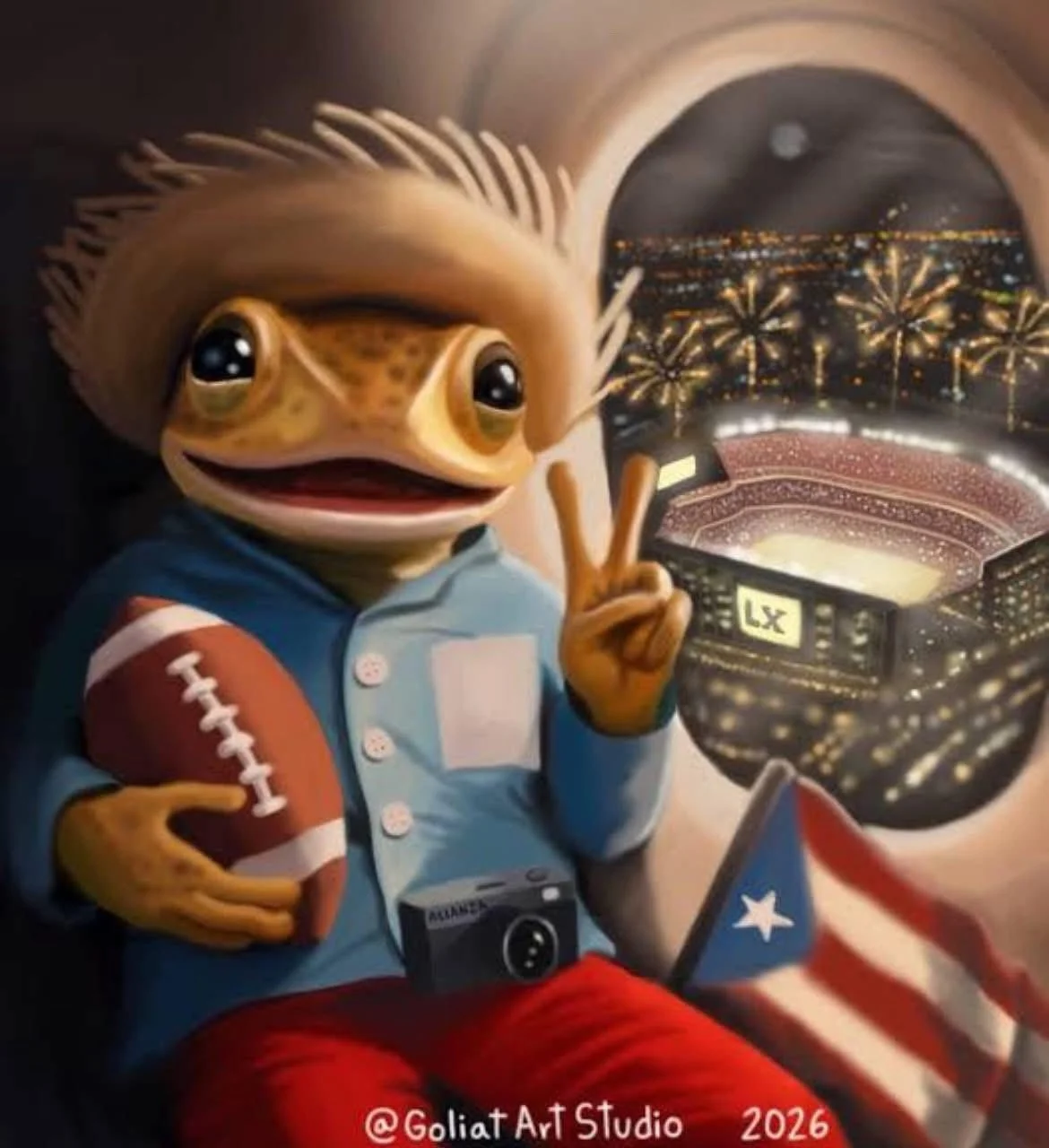
The 2026 Super Bowl halftime show wasn’t just entertainment. It was a deliberate, data-informed marketing strategy executed at the highest level by two powerful brands: Bad Bunny and the NFL.
When global platforms and cultural influence align with an intentional growth strategy, the results are transformative.
This was not accidental. It was market expansion in action.
Strategic Alignment: Shared Growth Objectives
At its core, this partnership reflected a shared objective: expanding audience reach and increasing market share.
Bad Bunny represents one of the most influential global artists of the last decade. His growth story, from publishing music online to headlining the most-watched televised event in the U.S., reflects the power of digital-era audience building. He cultivated a global following without conforming to traditional crossover formulas. He didn’t translate his music to fit markets; he brought markets to him.
However, one segment remained strategically important: deeper penetration into the mainstream Anglo audience.
On the other side, the NFL has been intentionally expanding its global footprint. International games, cross-border partnerships, and global streaming strategies reflect a long-term commitment to international growth. The league understands that future revenue and fan loyalty depend on expanding beyond its historical base.
The halftime show created a bridge.
Cultural Relevance as a Growth Lever
This performance marked the first time a solo artist delivered a majority Spanish-language halftime show on that stage.
From a marketing standpoint, this was about relevance and demographic alignment.
The U.S. Hispanic population exceeds 60 million people, representing roughly 20% of the country. Spanish is one of the most spoken languages in the United States, and Latino consumers represent significant purchasing power and cultural influence.
Globally, Spanish-language music dominates streaming charts across Latin America, Europe, and increasingly Asia.
The NFL leveraged this cultural momentum to tap into:
U.S. Hispanic audiences
Latin American markets
Spain
Broader international viewers who follow global music trends
This wasn’t about politics.
It was about demographics, data, and future growth.
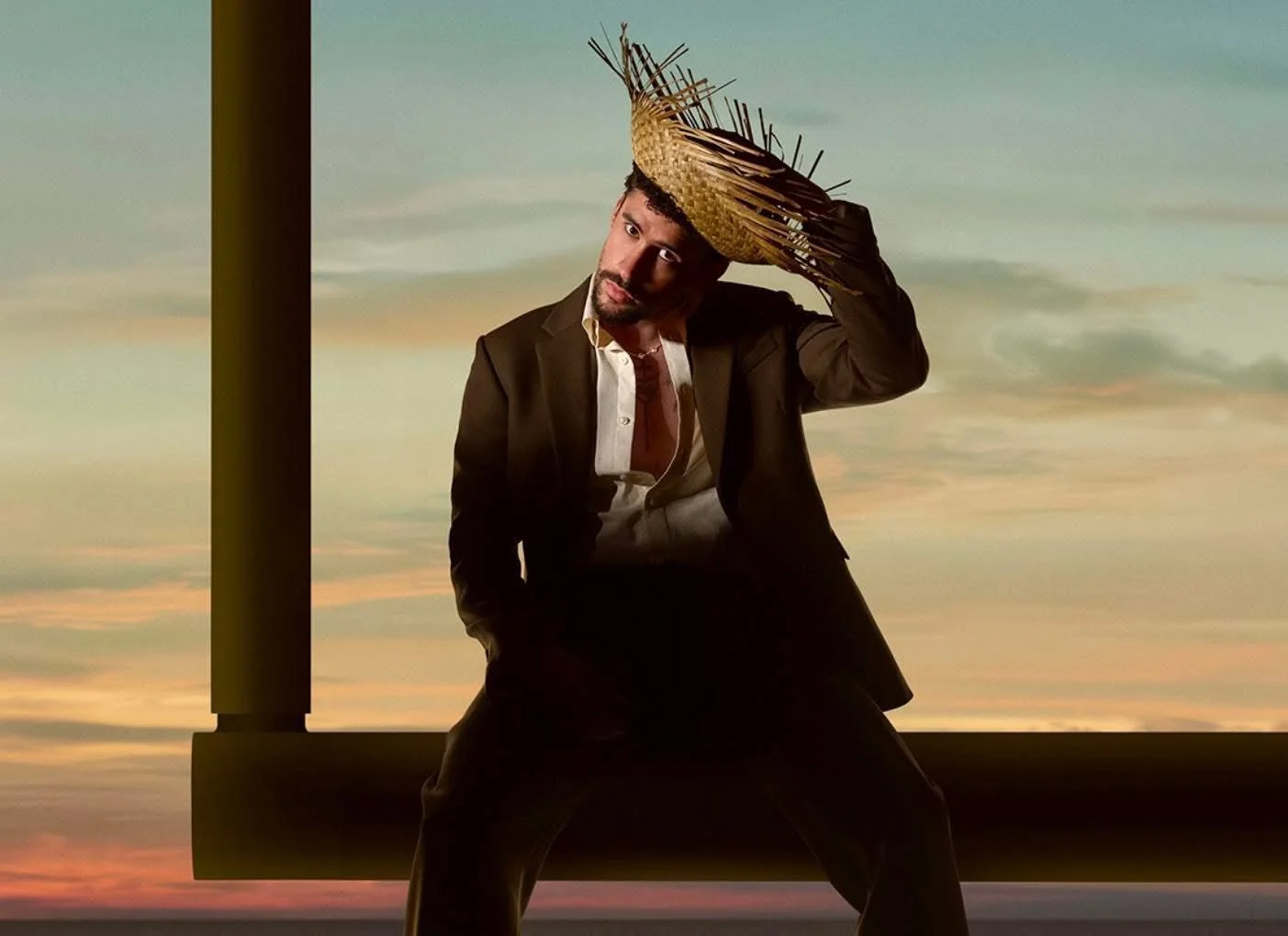
Brand Equity on Both Sides

The true strength of this halftime show wasn’t simply visibility; it was equity building. When brand partnerships are executed well, they don’t just generate impressions. They reshape perception, unlock new segments, and compound long-term value.
For Bad Bunny
This performance further solidified his position as a global mainstream icon, not just a music superstar within a genre. The Super Bowl stage carries a unique cultural weight; it reaches multi-generational households, casual viewers, and audiences outside of streaming ecosystems.
By stepping onto that platform, he expanded into living rooms that may not actively stream Latin music but consume major live events. That exposure matters. It moves an artist from a cultural phenomenon to an institutional presence.
Equally important: he did it without compromising identity. The performance remained rooted in his language, sound, and energy. That balance, scaling reach without diluting authenticity, is the essence of brand strength. Growth did not require adaptation; it required amplification.
That is strategic brand maturity.
For the NFL
For the NFL, the impact extended beyond halftime ratings.
The league signaled something critical: it understands demographic evolution. Cultural fluency is no longer optional for legacy brands; it is a growth requirement.
By aligning with an artist who commands loyalty across Latin America, Spain, and among U.S. Hispanic audiences, the NFL demonstrated inclusivity not as a statement, but as a strategy.
It modernized perception
It reinforced global ambition
And it invited new segments into the experience
Many viewers may have tuned in initially for the performance. But once attention is captured, brand exposure follows. Merchandise, streaming subscriptions, and future international games, awareness converts over time.
This is how audience funnels expand.
When both brands walk away stronger, the partnership has done its job.
This is what strategic brand alignment looks like when both sides win.
The Real Marketing Lesson

The lesson here is not about music preference or entertainment value.
It is about an intentional growth strategy.
High-performing brands do not chase trends
They analyze demographic shifts
They track cultural momentum
They identify adjacent markets
And they execute partnerships that unlock new segments at scale
The 2026 halftime show reflects four key strategic principles:
Understand where population growth is happening.
Hispanic and international audiences are clear growth opportunities.Align with cultural leaders who already hold trust.
Borrowed equity accelerates market entry.Leverage platforms with mass reach.
Scale amplifies positioning.Maintain brand identity while expanding footprint.
Growth without dilution builds longevity.
When these elements align, market share expands without sacrificing core brand integrity. That is sophisticated marketing.
The 2026 halftime show was not just a performance.
It was a planned market expansion, carried out with precision, cultural awareness, and long-term growth in mind.
And that is the difference between visibility and strategy.